London Bridge (London, England)

Picture by unknown

Niagra Falls (United States and Canada)

http://stefanobittante.blogspot.com/2007/06/niagara-falls-panorama.html

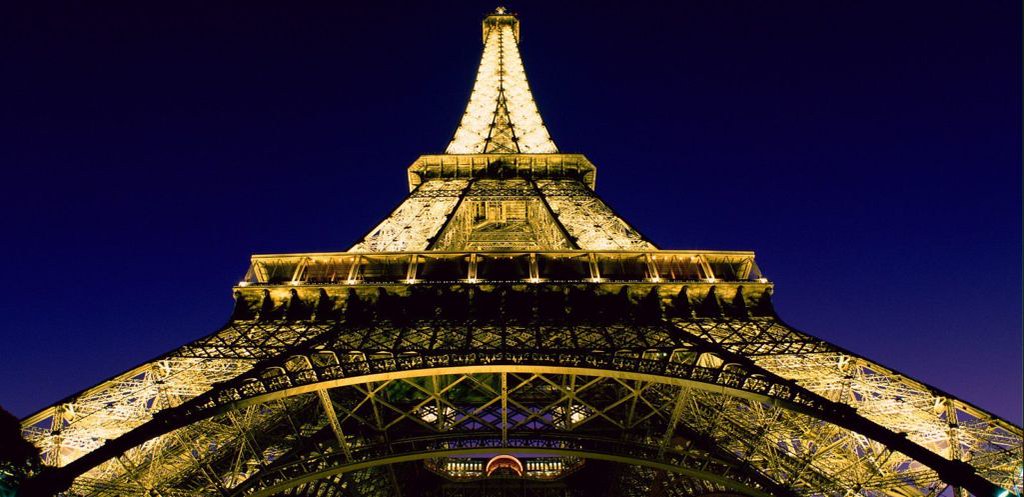
Eiffel Towel (Paris, France)

Picture by unknown

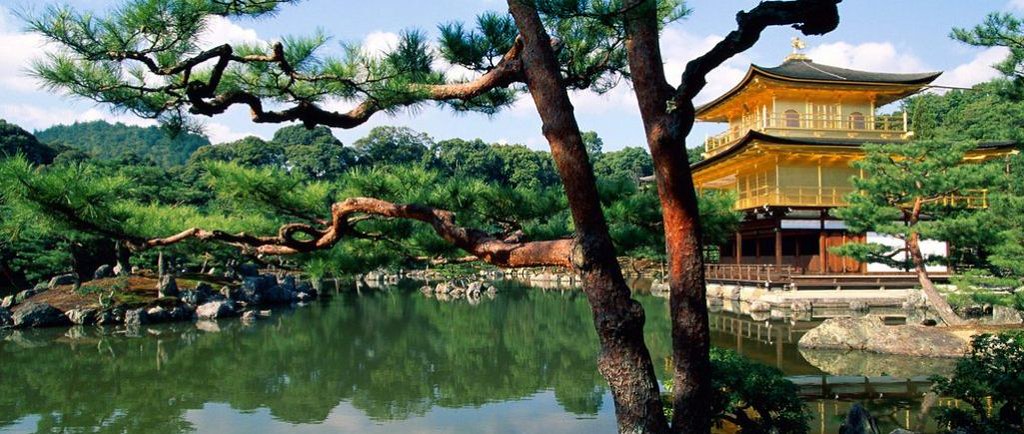
Kyoto (Japan)

Picture by unknown

Showing posts with label SOUTH AMERICA. Show all posts

Wednesday, September 4, 2013

PERU NATIONAL DISH


PERU
Gastronomy has always been a huge part of the Peruvian lifestyle.
Each region's cuisine is not just subtly different - it's a whole new ball game. From the rich and sweet delights of the coast to the spicy treats and creamy cheeses of the highlands, there's a wealth of variation in Peruvian cooking that ensures there's always something new to try. It means that at every step on your holiday in Peru there is a new delicacy to check out, and the national dish is one of the "must-try" dish in your list while visiting Peru. 

Ceviche 

Peruvian Ceviche

Ceviche is a seafood dish popular in the coastal regions of the Americas, especially Central and South America. There is no dish more Peruvian than ‘Ceviche’. It is considered the national dish and thought of as unrivaled by any other dish anywhere else in the world, for the way it’s prepared and for its taste and with this, it gives Peru a place on the world map of gastronomy. The dish is typically made from fresh raw fish marinated in citrus juices, such as lemon or lime, and spiced with ají or chili peppers. Additional seasonings, such as chopped onions, salt, and coriander, may also be added. Ceviche is usually accompanied by side dishes that complement its flavors, such as sweet potato, lettuce, corn, avocado or plantain.

In Peru, ceviche has been declared to be part of Peru's "national heritage" and has even had a holiday declared in its honor. The classic Peruvian ceviche is composed of chunks of raw fish, marinated in freshly squeezed key lime or bitter orange (naranja agria) juice, with sliced onions, chili peppers, salt and pepper. Corvina or cebo (sea bass) was the fish traditionally used. The mixture was traditionally marinated for several hours and served at room temperature, with chunks of corn-on-the-cob, and slices of cooked sweet potato. 

Regional or contemporary variations include garlic, fish bone broth, minced Peruvian ají limo, or the Andean chili rocoto, toasted corn or cancha and yuyo (seaweed). A specialty of Trujillo is ceviche prepared from shark (tollo or tojo). Lenguado (sole) is often used in Lima. The modern version of Peruvian ceviche, which is similar to the method used in making Japanese sashimi, consists of fish marinated for a few minutes and served promptly. It was developed in the 1970s by Peruvian-Japanese chefs including Dario Matsufuji and Humberto Sato. Many Peruvian cevicherías serve a small glass of the marinade (as an appetizer) along with the fish, which is called leche de tigre or leche de pantera.

Source: [1] 


Friday, November 23, 2012

Chile Typical Drinks

CHILE
The soil and water temperatures, together with the times of the conquest by the Spaniards, have facilitated the development of the wine industry in Chile. In Chile there are high variety of alcoholic preparations. Below is a list of some typical Chilean drinks. Most are alcoholic but there does seem to be some non-alcoholic ones that managed to slip in.

Bigoteado

The drink to keep away from is the bigoteado which is a combination of all the liquid leftoversof any glasses that happen to be lying around. This is usually given to someone as a practical joke after they’ve had a few too many glasses of vino (wine). You must avoid drinking this no matter what state you are in.

Borgoña and Clery

Not much appreciated among national drinks and on the way of extinction, these two beverages are popular punches of the Central zone of Chile. Borgoña is another lovely pairing of Chilean cold red wine and chopped strawberries. Red wine is poured over the strawberries and let sit for several hours, or serve immediately. Some like to add little sugar to taste. 

Another variation, especially popular in the Chilean countryside, is called Clery. Clery, according to many specialists of the national cuisine, might have its origins in the city of Talca and its good white grapevines, with which a young and sweet white wine is prepared with the addition of fragrant strawberries from across the Claro River.

Chicha

Chicha, a generic name for cider in Chile, is made from the variety of fruits depending on where they are making it. It is sweet fermented wine typically made from apples though sometimes obtained from fermented grapes too. The fermentation of apple juice, which is called apple chicha, is produced at the end of summer in the regions of Los Ríos and Los Lagos.  Chicha is a traditional drink of the celebrations of ancient times related to the independence of Chile around the 18th of September.

Chicha with oranges

Pink and fizzy chicha comes in a large glass with a couple of juicy orange slices. It is excellent as an aperitif, though not recommended for foreigners little accustomed to the rusticity of the preparation.

Cola de Mono ("Monkey tail")

Cola de Mono is a typical drink around Christmas time. It is a cold drink that contained aguardiente liquor with milk, coffee, sugar and cinnamon. Now it is possible to find it bottled on supermarket shelves, but it will never beat the homemade one, prepared from grandma’s old recipe or from some of the old maid’s.

Cuba Libre

Cuba Libre is a cocktail made of Cola, rum, and lime. This other preparation with a cola soft drink and Cuban rum had its peak in the 60’s.

Culén Punch

Culén is a bush found all over the Central zone of Chile. From its bark, a punch is prepared that also contains clove, cinnamon, sugar and aguardiente (hard brandy).

Jote (vulture)

With the arrival of some foreign beverages, especially the colas, some drinks were born. In Chile, the resulting 50-50 mixture drink is known as Jote. This very Chilean drink consists of red wine and a cola-based soft drink.

Mistela

An ancient drink was prepared by soaking fruits in aguardiente brandy. Mistela can be added with either orange peel, clove, quince, chopped celery, cinnamon sticks, cherries, strawberries, raspberries or murta. There were different secrets to prepare more or less heady mistelas, however, it had always to be served at mid-afternoon, under the grapevine and in delicate cups.

Piscola

Pisco brandy and cola soft drink served in a tall glass with two slices of lemon. This is a national drink regardless of social class; it is drunk from North to South.

Pisco Sour

Pisco sour is a popular Chilean cocktail. The forever-going discussion about Pisco being Chilean or Peruvian doesn’t matter when the time comes to enjoy this aperitif made with lemons from Pica, sugar and Pisco brandy.

Vaina

Vaina is a sweet cocktail drink. It is made with red wine, white vermouth, raw egg yolk and sprinkled with powder cinnamon. Vainas, the classy older gentleman's aperitif of choice, are typically offered before or after a long, luxurious meal in finer establishments, poured into tiny cocktail glasses or champagne flutes.

Leche con Plátano 

Leche con Plátano, literally translated as “banana milkshake”, is the fresh milk blended with banana and ice.

Melon con Vino

Another summertime staple, Melón con Vino is just what it says, melon with wine. Melon Tuna (a type of Melon) with the top cut off and the seeds taken out with white wine filled inside of it. Stick in a straw, and pass around. 

Fan-schop

The mixture, called fan-schop is popular among those who want to partake, but not too much. This may not qualify as a drink per say, but it is a mixer of a sort. In Chile, you will see the locals drinking what looks like orange beer, it's Fan-schop. Fan-schop is traditionally made of tap beer mixed with orange Fanta or Orange Crush soft drink. It is a nice orangey drink for a hot day and for a refreshing alternative on the hot summer day. The Chilean love and down liters of it. Try one with your lomito at Fuente Alemana.

Ponche

New Year’s Eve kicks off the summer, and for the rest of the warm months, it will be easy to find Ponche. Ponche is a combination of white wine and fresh diced peaches. To get the best flavor, let the mixture of the peaches and wine sit for 12 hours. Serve cold.  

Ponche a la Romana

The best way to ring in the New Year, Chilean style, is with a brimming glass of Ponche a la Romana - Champagne with a scoop of pineapple ice cream. It’s sweet, delicious, and one of the many colorful New Year’s traditions in Chile, so you’ll be in good company as you toast the new year and rue the next morning.

Pipeño  

Pipeño is a type of sweet fermented wine (semi-transparent in appearance).

Terremoto

Terremoto, or "Earthquake", is a typical drink that consists in a mix of Pipeño with pineapple ice-cream served immediately in a one-litre glass with a straw.
This Chilean mixed drink is ubiquitous during Independence Day celebrations on September 18 and 19, but it’s possible to enjoy a pitcher year-round at the Santiago institution, La Piojera.

Mote con Huesillo

Mote con Huesillo is a delicous summertime drink made of wheat seeds and dried peaches boiled, sweetened, and served cold. It's typically sold on sidewalk or park stands.

Navegado 

Navegado is a heated red wine with slices of orange and sugar. Nothing beats the winter cold like a steaming mug of Navegado, a delicious mulled wine served throughout Chile’s southern regions as the temperatures begin to drop.

Read more Chile Travel Guide


Sunday, November 18, 2012

Chile National Foods


CHILE
A characteristic of Chilean cuisine is the variety and quality of fish and seafood, due to the geographic location and extensive coastline. From the hearty casseroles, warming soups, flavorful sausages to refreshing shellfish, Chilean national food is an unmissable experience for any visitor. Below is a guide to some of the most typical and best-loved national dishes in Chile.

Pastel de choclo

Pastel de choclo
Pastel de choclo is a typical, hearty Chilean casserole dish. It has a meat filling topped with a crust of sweet corn (choclo) and cornmeal. Commonly mixed in the filling are chicken or ground beef, raisins, black olives, onions or slices of hard boiled eggs.  Pastel de choclo is a popular lunch summer dish and traditionally served in a paila.

Empanada
Empanada
Empanada is a stuffed bread or pastry baked or fried. Empanadas are made by folding dough or bread around stuffing, which usually consists of a variety of meat, cheese, huitlacoche, vegetables or fruits, among others. Chilean empanadas are large (usually with one being enough for a meal) and can have a wide range of fillings, but three basic types are the most popular:
  • Empanada de Pino - typical turnover filled with diced meat (beef), onions, black olives, raisins and a piece of hard-boiled egg, baked in earthen or plain oven.
  • Empanada de Mariscos - turnovers filled with chopped seafood, onions, seasoning and fried. 
  • Empanada de Queso - typical turnover filled with cheese and may be baked or fried.
Cazuela
Cazuela de Vacuno
The cazuela is a national dish of Chile. It is cooked in a mid-thick flavored stock by combining several kinds of meats and vegetables mixed. The most common types are made of chicken or beef, but there's also other types made from pork and turkey. In Chile, cazuela is cooked in clay pot by combining a piece of meat (it can be a piece of rib or several pieces of bones, in the case of beef, or a leg of chicken), potato, and pumpkin in the stock obtained from boiling all of them together. These are sometimes complemented with cooked rice (in the stock), small-sized noodles, green beans, celery, sliced carrots, garlic, cabbage, among others. In summer the cazuela is accompanied by a piece of sweetcorn, cooked apart or in the same stock. This soup/stew can be prepared in hundred of ways as per one’s personal taste preferences.
  • Cazuela de Ave - chicken soup with pieces of meat, potatoes, green beans or peas, rice or noodles.
  • Cazuela de Vacuno - beef soup with pieces of meat, potatoes, corn on the cob, carrots, onions, green beans, garlic, chunks of pumpkin, rice or noodles.
The cazuela is typically eaten by consuming the liquid stock first, then eating the meat and larger vegetables (e.g. potatoes, large piece of squash or carrot) last. However, the meat and larger vegetables can also be sliced up within the liquid stock and can be eaten simultaneously with the liquid stock.

Porotos Granados
 
Porotos Granados
Porotos Granados is a thick, rich stew of white beans, corn, vegetables and basil. This vegetarian bean-based dish can also be served with sausage. It is served primarily in summer like most corn dishes. Porotos Granados is made hot with pumpkin squash and corn.

Bistec a lo pobre

Bistec a lo pobre
Bistec a lo Pobre means "Poor Man's Steak", but the dish is actually quite rich and indulgent. Bistec a lo Pobre is a satisfying meal popular throughout most of South America, especially in Chile. The dish served with a large sirloin steak, grilled onion, two fried eggs and a side of potatoes, most commonly french fries. You will find this dish on the menu of any typical Chilean restaurant in Santiago, Chile.

Humitas

Humitas
Humitas, the mildly seasoned cornmeal cakes, are the favorite of Chilean people. They are prepared with fresh grated corn, fried onion, basil, salt, pepper, and butter or lard . Humitas are wrapped in corn husks and baked or boiled. They may contain ají verde (green ). The humitas are kept together during cooking with thread or twine. They can be made savory, sweet, or sweet and sour, served with added sugar, chile pepper, salt, tomato, olive and paprika etc. Like Pastel de Choclo, these are exclusively a summer delicacy.

Parrillada
 
Parrillada
The country is also known for great parrilladas as meat is a major part of the Chilean culture. Parrillada is a selection of different kinds of meat, sausages and sometimes entrails grilled over charcoal and served with potato salad or rice.

Pebre

Pebre
Pebre is a simple salsa including seasoned tomatoes with chopped onion, chili, coriander, and chives. Usually served in a little clay dish and delicious with bread as a starter.

Completo

Completo
Completo, one of Chile’s most popular national foods, is a hotdog variation usually served with condiments such as ketchup, chopped tomatoes, mustard, mayonnaise, pickles, sauerkraut, avocados,a variation of the sauce américaine, chilean chili, green sauce and cheese. Its size can be twice of an American hot dog.


Photo [1][2][3][4][5][6][7][8]

Thursday, November 15, 2012

Peru - Machu Picchu


PERU
Machu Picchu, also spelled Machupijchu, site of ancient Inca ruins located about 50 miles (80 km) northwest of Cuzco, Peru, in the Cordillera de Vilcabamba of the Andes Mountains. It is perched above the Urubamba River valley at an elevation of 7,710 feet (2,350 meters). Machu Picchu appears to have been a sacred, ceremonial city and astronomical observatory. This UNESCO World Heritage site is often referred to as "The Lost City of the Incas" and is one of the most familiar symbols of the Incan Empire. With its spectacular location, it’s the best-known archaeological site on the continent. The stunning Peruvian site of Machu Picchu now becomes the South America's greatest attraction, welcoming hundreds of thousands of visitors a year from across the globe. 
Machu Picchu
Historians believe Machu Picchu was built at the height of the Inca Empire, which dominated western South America in the 15th and 16th centuries. For hundreds of years, until the American archaeologist Hiram Bingham stumbled upon it in 1911, the abandoned citadel’s existence was never revealed to the conquering Spaniards and was a secret known only to peasants living in the region. The site’s finely crafted stonework, terraced fields and sophisticated irrigation system bear witness to the Inca civilization’s architectural, agricultural and engineering prowess. The 12 acres of terraces, granite houses, gardens, stairways, ceremonial temples and aqueducts sprawl along a tropical forest ridge above the Río Urubamba. Most of the roughly 150 buildings in Machu Picchu were built of granite so their ruins look like part of the mountains. Many granite blocks weigh 50 tons or more yet are so precisely sculpted and fitted together with such exactitude that the mortarless joints will not permit the insertion of even a thin knife blade. Many buildings had trapezoidal doors and thatched roofs. They used irrigation to grow corn and potatoes.
Machu Picchu terrace structure
Archaeologists have identified several distinct sectors that together comprise the city, including a farming zone, a residential neighborhood, a royal district and a sacred area. Machu Picchu’s most distinct and famous structures include the Temple of the Sun, the Room of the Three Windows, and the Intihuatana stone. These are located in what is known as the Sacred District of Machu Picchu. The Intihuatana stone's purpose is a mystery, with recent research disproving the idea that it acted as a sundial. It may have been used for astronomical observations of some form. It may also be connected with the mountains that surround Machu Picchu. Many modern-day archaeologists believe that Machu Picchu served as a royal estate or sacred religious site for Inca emperors and nobles. Machu Picchu is believed to have been a mystical place, a monument to divinity, where people can feel that they are a creation of God. The high sense of spirituality that inhabits this place seems to transport its visitors to a place where everything "in an unimaginable way" is possible. It is a place where strange forces of nature allow the individuals to reach an incomparable cosmic state, a state that can only be experimented in Machu Picchu. It is one of the most popular archaeological sites of the world, and therefore, the most visited attraction in Peru. Today, nearly one million people visit Machu Picchu every year with a limit of 2500 people daily, to see the sunset over its towering stone monuments and marvel at the mysterious splendor of one of the world's most famous manmade wonders.

The traditional and most frequent is by train from Cuzco city to the station of Machu Picchu Town (Aguas Calientes). Alternative is the Inca Trail, the trekking route. The are no roads, no cars or buses, there are no airport.

Read more Machu Picchu travel guide


Photo [1][2][3]
Text source [1][2][3]

Monday, November 12, 2012

Colombia - Las Lajas Cathedral Sanctuary


COLOMBIA
On the borders between Colombia and Ecuador in a teeming jungle canyon is a beautiful sanctuary, Las Lajas Cathedral, a wonder to its visitors. Las Lajas Cathedral is situated among the remote mountains of southwestern Colombia, municipality of Ipiales and is considered one of the most brilliant pilgrimage shrines in the world. The church stands on stone stilts spanning a raging river and the view includes dense forest and a towering waterfall. 

The inspiration for the church's creation was a result of a miraculous event in 1754 when an Amerindiannamed Maria Mueses de Quinones and her deaf-mute daughter Rosa were caught in a very strong storm near Las Lajas ("The Rocks"). Weary of the climb, Maria Mueses de Quinones sat down on a rock when Rosa spoke for the first time about an apparition in a cave.

Later on, a mysterious painting of the Virgin Mary carrying a baby was discovered on the wall of the cave. Supposedly, studies of the painting showed no proof of paint, dye or any other pigments on the rock. Instead, when core samples from several spots in the image were taken, they were found that the colors were perfectly impregnated in the rock itself to a depth of several feet. This apparition of the Virgin Mary caused pilgrimages to this location, with occasional miraculous cases of healing reported. It is now known as the Virgin of Santisima. The miraculous image on the stone is still visible today. Today, this image of the Virgin Mary is located on a 45 m high rock, which can be seen on the back of the Las Lajas Cathedral. 

Our Lady of Las Lajas
The construction of the fabulous Las Lajas started at the beginning of last century. The church is of Gothic revival architecture. The foundations of the church were laid in 1916 and finally Las Lajas was completed in 1944. The official dedication of the church was on August 20, 1949. Las Lajas Cathedral is designed so that the image of the Virgin Mary is visible form its highest altar. The church was built entirely with donations from local people, replacing an old nineteenth-century small wooden chapel.

In 1951 the Roman Catholic Church authorized the Nuestra Señora de Las Lajas virgin, and it declared the sanctuary a minor basilica in 1954.

Today the Las Lajas Cathedral is a place for pilgrimages by many thousands of pilgrims from both Colombia and Ecuador. The easiest way to the fabulously beautiful church is by taxi from the station into the near by city of Ipiales. Do not miss the opportunity to stop on the high cliff and look at Las Lajas, which stands magnetically down the canyon of the river.

Border Crossing [1]

From Ipiales the bus drops you off outside the Colombian migration office where you get your exit stamp. From here walk down the stairs across the car park to the building in front of you just up the slight hill, you need to go around to the other side of the building to join the line of people waiting for their entry stamp for Ecuador (this may take a while). When getting issued your stamp ask if you can have the tourist card (T-3) stapled into your passport or your may end up begging not to have to pay the USD$200 for a new one if you lose it.

After receiving your stamp, get a mini-bus outside. This will drop you off at the bus station in Tulcun. Here you can expect to be rushed by men trying to get you on their bus bound for Quito or whereever else you maybe going. They are harmless just watch your stuff and do not let them push or drag you around.


Saturday, November 10, 2012

Chile National Drink


CHILE
Pisco, the national drink of Chile, is rich in tradition. It is exported from both Peru and Chile, and both countries claim to be the original producers of the liqueur. Pisco is distilled from Muscat grapes that grows north of Santiago de Chile. Pisco, and the drinks made with it, have been popular for centuries. It is the essential ingredient in the now world famous cocktail, the Pisco Sour. Tea with a shot of Pisco is the Chilean answer to the common cold, and it may just do the trick to relieve a headache and stuffy nose. Whichever way you choose to take your Pisco, you can expect a pleasant, smooth drink.

Pisco Sour

A pisco sour is the most common way to drink it in cocktail form. It consists of pisco, lemon juice, powdered sugar and ice cold pisco.
A few drops of bitters on top is optional. Some bars commonly add whisked egg white to give the drink a frothy head. A relatively new phenomenon in Chile is the mango sour, a much sweeter version of the pisco sour. It is possible to buy both in premixed forms at supermarkets, although the taste doesn't compare with the freshly made drink.

Piscola  


Another concoction made with Pisco brandy is Piscola, the choice of many late-night revelers. Piscola is a highball cocktail drink made by combining Pisco with a soft drink which may be cola based. It is Chilean in origin and is also known as the Combinado Nacional or national mixture. A Piscola can be black or white depending if it is mixed with a cola, ginger ale, Tonic, Sprite or similar soft drink. The mixture of Pisco and soft drink has vary proportions depending on taste. Piscola can be a deadly combination for new tourists as the alcohol ratio is much higher in Chile than in the United States, most of Europe, Australia or New Zealand. You might sometimes find your glass with more than half filled of Pisco and then topped up with Cola. In some cases your entire glass is filled with Pisco and ice and you have a small bottle of cola on the side to add to it. The problem is that there's no space for it in the glass so you have to start sipping pure Pisco to make some room for the cola.  


Text source [1][2]

Friday, November 9, 2012

Chile - Top 10 Chile Experiences Not to Miss

CHILE
1. Hiking in Torres del Paine, Patagonia

Hiking in Torres del Paine is a lifetime must do. With the snow-capped Paine Grande mountain, the majestically jagged Torres and the picture perfect view of the granite topped Cuernos, you have to be careful to look down at your feet once in a while to check you're not heading towards a cliff edge in your awestruck state! The W Trek and Paine Circuit are classic trekking routes which can be enjoyed from October to April and if you're after most relaxed hiking with an emphasis on wildlife then a Patagonian Wildlife Safari is perfect for you. While in Torres del Paine you should also make time for a day of Fly Fishing and a trip to Perito Moreno glacier just across the border in Argentina.

2. Exploring Easter Island in the Pacific

Easter Island is mystical place, steeped in rich Pacific history. The most isolated inhabited island on the planet, Chile has laid claim to this 164 km2/ 63 sq mi island 3700 km / 2300 miles off the Chilean coastline since annexing it in 1888. The most famous feature of the island are the Moai stone statues as tall as 10 metres, with some weighing over 70 tonnes. These statues have been the topic of much controversy concerning the supposed ecocide which occurred on the island, provoked by the ancient Polynesians. To check out the stone statues and wild beaches for yourself go on a Rapa Nui Explorer program and discover the island's mysteries.

3. Trekking in the Atacama Desert

The world's oldest, driest desert is located in Chile's northern sector, covering 105,000 km2 / 40,600 square miles of land. So dry in fact that scientists have been searching for what could be similar to life on mars, hoping to find the closest thing to a Mars martian. Yet one of Atacama's most attractive features is its diverse scenery, not encompassing only sand dunes and sand flats but rivers, gorges and an abundance of wildlife. Trekking through the desert close to San Pedro de Atacama brings a surprise at each corner and lets you explore the natural, cultural and archaeological highlights of the region.

4. Marvelling at Monkey Puzzle Trees in the lake District 

Chile's Lake District is a wondrous combination of active steaming volcanoes, vast blue lakes and dark green forests. Many forests are lined with Araucarias (aka monkey puzzle trees) which are hundreds of years old. Kayaking, rafting and hiking are particularly popular activities in the Lake District, as well as exploring the old German architecture towns such as Puerto Varas and Frutillar. The Lake District is at the northern peak of Patagonia and is the point of embarkation for ships heading south down to the depths of Patagonia.

5. Drinking Pisco Sour in Santiago's Bohemian Neighborhoods

Santiago might not have always had the best reputation compared with its latinolicious neighbors, but today it is definitely considered an upbeat cosmopolitan South American capital. First came the New York Times ranking it no.1 in their list of 41 places to go in 2011, then came National Geographic ranking Santiago's Central Market number 5 in their top 10 food markets, then came CNN ranking Santiago at number 3 in the world's most loved cities (then came the Chileans saying we told you so). The city's unique bohemian neighborhoods make up a lot of downtown Santiago and are the perfect spot for enjoying Chile's national drink, pisco sour.

6. Dining in Valparaiso overlooking the Pacific

Valparaiso - jewel of the Pacific, famous calling port for sailors having survived Cape Horn, eclectic multicolored city spread out over interconnecting hills... (ever so slightly run down coastal city but we love it anyway). No trip to Chile's capital is complete without at least a day trip to Valparaiso to walk up and down the winding hills and enjoy some pescado (fish) overlooking the Pacific bay. It's also a great opportunity to get in touch with Nobel prize-winning poet Pablo Neruda's literature and to check out neighboring upmarket town Viña del Mar.

7. Horseback Riding through the Andes Mountains

Another unmissable day trip from Santiago is hiking, rafting or horseback riding in the Andes Mountains. There's a real feeling of adventure as you ride or hike through valleys steeped with vegetation, shadowed by arid mountain cliffs with condors flying overhead. El Colorado is a popular horse-riding and hiking spot (popular for skiing in winter) while further south in Cajón del Maipo there are popular trails with hot springs at the end of them. A great warm up for your Patagonia hike or Atacama trek, or just a nice day trip away from the city to explore the Andes Mountain wildlife.

8. Wine Tasting in Chile's Central Valleys

Chilean wine has a fine reputation - good quality, low price and very tasty! Where better to sample the delights of carmenere and Chilean cabernet than in the midst of Chilean vineyard land? Wineries vary from small boutique vineyards (some including adventure activities such as zip lining in a warm up to the wine tasting) to famous producers like Concha y Toro. Half day, full day and multi day trips are all on offer.

9. Skiing in world-class resort Valle Nevado

Got a craving to go skiing out of season? In the northern hemisphere's summer, Chile's ski season is in full swing, welcoming skiers and snowboarders from across the globe. El Colorado, Farellones, La Parva and Portillo are all popular resorts close to Santiago but the most well-renowned resort in the Andes Mountains has to be Valle Nevado. With pistes for all levels of expertise, a snow park and an array of cafes and restaurants, Valle Nevado makes an ideal day trip from Santiago between May and September. The best part? You can now combine skiing in the Andes with a Patagonian Wildlife Safari throughout September!

10. Border hopping into Argentina and Bolivia

OK so it's not strictly Chile, although hopping across the border into neighboring countries is definitely a highlight of being at one of Chile's extremes. From Torres del Paine in southern Chilean Patagonia it's just a short journey across the border into Los Glaciares National Park in Argentina. So easy in fact that you do the first ever Torres del Paine - Perito Moreno glacier - Torres del Paine is just one day! At Chile's northern end you can do a great 4x4 trip across the Altiplano from San Pedro de Atacama through the Bolivia Uyuni Salt Flat, ending in La Paz.


Article Source: http://EzineArticles.com/7230117